- Hello From MUSAY
- Posts
- You're Here - You Belong
You're Here - You Belong
The Creators Guide to Poetry - Part 3

Laura Del Greco
September 02, 2025
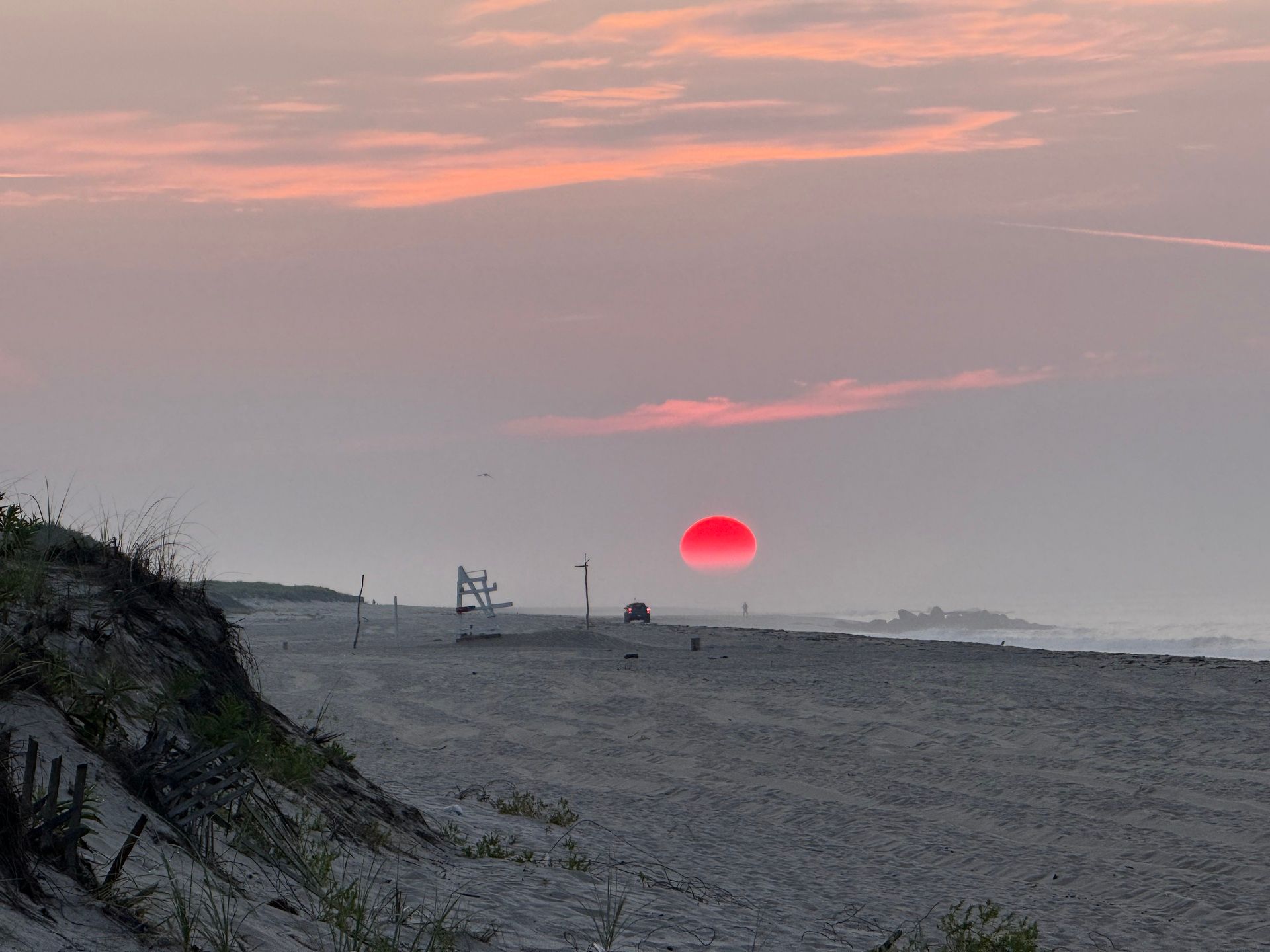
Sunrise - Summer 2025 - LDG
MUSAY IS A COMMUNITY
I’ve been told that when people build companies the companies actually become a different form factor of that person. In other words - who the founder is, and what is important to them, is transformed into the product or service they build. When made manifest the company and the founder have many of the same attributes and the company fulfills an unmet need of the founder. I thought that was ridiculous; I was wrong.
MUSAY may be the discovery and intelligence network for Arts & Culture that exists as a two sided marketplace to benefit Consumers and Arts & Cultural Institutions but it is - at its heart - the community I always wanted.
MUSAY is where the curious, erudite, free spirited geeky child that I was, (and likely still am), can find a place that feels like home, (libraries, science, art & fashion museums come to mind!) with people who “get me”. It is a place where writers, poets and artists like Darius can find the courage to share their creative process and it is a place where everyone can find something that informs and uplifts.
AND IT’S GROWING
Today MUSAY is welcoming three new people to the team, a new intern from TSU and two new adds to our grass roots growth marketing team; one of whom is a rock star marketer who made her mark doing the same for a dating app you would all know. More on that shortly!
We’re also looking for a senior level Full Stack Developer (let us know if you know anyone or are one!) and we’re also hiring Data Science Interns from universities here in Nashville.
In closing - as the photo below so beautifully illustrates - community is built one note, one sentence, one conversation at a time. Thank you for being a part of ours.
Onward!
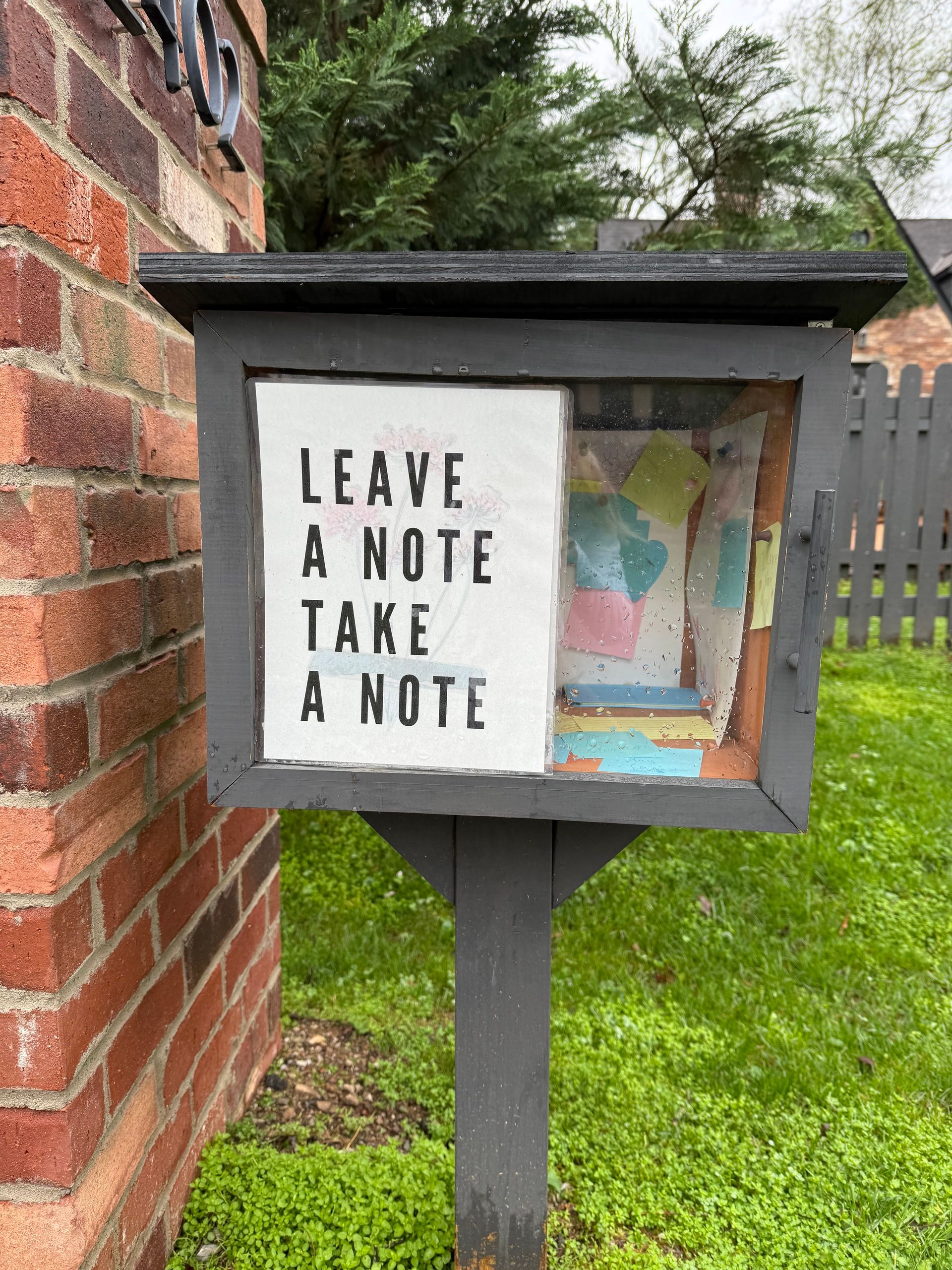
“Community in a Community” from a walk in Nashville, TN - LDG 2025
BARING MY SOUL
The Creator’s Guide to Poetry- Darius Coleman
Sometimes when I write a post, I know exactly how it’s going to go before I write it.
A little jokey joke to start out. A few quick bullet points, a mention of my previous note and a little tease at the end to wrap my project in a cute bow. Send it off to my editor and regroup for the next one.
This one is one of the hardest in this series to write, because there is not a “right” or “wrong” way to write poetry.
Art is something that drastically impacts my life in a way that is hard to put into words. It feels really intimate to open the door to the inner workings of my creative process. I actually got so nervous about this article I considered moving on from it. I was going to just start the next series I had planned. That was until I had a conversation with MUSAY’s founder, Laura.
Laura expressed her belief and her trust in my work and me, and how she was excited to see what I would come up with next. That type of trust and praise for my work is a feeling that I want the artists and writers that read this to be able to experience.
I’ve talked about MUSAY specifically in how it interacts with museums and all cultural institutions over and over again. What I haven’t mentioned is the community side of what MUSAY is about, and what it is trying to build: a safe, inclusive place for people, especially Gen Z. It is being built to offer support and comfort in a communal way is something that my generation in all honesty hasn’t received.
So, without further ado, welcome to the Creator’s Guide to Poetry: How In Tarnation Do I Do This?
This final installment will be more about my own creative process, so it won’t be a long read, but it’ll be filled with quick tidbits and ideas for you to use yourself (if you so choose). Because of this, there also won’t be structured bullet points like my earlier pieces. This'll be more of a freewrite. With that being said, let’s talk about how I started coming up with ideas for poetry to begin with.
There are two kinds of people in this world: There are story people, and there are theme people. I am a story person. When you are making a poem from scratch, most likely you either go into the writing process with a specific emotion or theme in mind, or a story that you are telling.
You might not think that this is something that matters, but it absolutely does. It can be hard to capture a story or type of story you want to tell at any random time, so it might be more useful for you to wait until you are in more of a “flow state” in order to do so. It’s hard to pull from certain stories if you aren’t in the specific moods. However, some people say the same for theme. I say keep both as tools in your toolbox. Basically, know how you find the emotion to write your best work, and put yourself in places to feel that emotion safely in enough time to do said work. Pick your tools, and focus on getting to those.
Another way that I keep things fresh is that every week I go back and read my old poetry. For example, I published a book almost a year ago called I Free Me (available on Amazon, by the way) and every week or so I go back and read my favorite poems from it. It’s really important to keep your best work close to your heart as a creator. Sometimes when you experience writer’s block or feel as if you aren’t doing as well as usual, you can forget how good you are and what you can do.
On that same point, I recommend that you don’t touch your work at all until you finish it. When you start a project, don’t let the curse of perfectionism stop you from creating something. It’s better to crawl somewhere than move nowhere. It’s so easy to get into your own head, especially once you‘ve already started creating work. That’s why reading past work can help so much. Instead of revising your work before it’s finished, you should work on something that you have finished if you need a mental break. Come back to finish your work whenever you are ready for that battle. It’ll be a much better product.
If you're like me, you might remember in middle school and late elementary school having to annotate every little thing you or someone else wrote. Having to go back and circle words and write little thoughts on things I felt like I already understood used to drive me crazy. The reason for doing this, however, was pretty important.
While that module stunk, something that helped me a lot while I was learning how to write poetry was to annotate and dissect poems I liked. I’d print them on paper, and mark the paper all the way up with thoughts and questions and ideas.
A big thing for your own writing experience is knowing what type of poetry you like and why, and what type of poetry you don’t like and why. This is your artform. Take the parts you like, and leave the ones you don’t. Keep the pages that you annotate so that in the future you can look back on them and continue to work with what you like and don’t like.
Another great way to build on this is to find artists that are near you (or artists that you like; the DM button exists on all social media) and ask to share work and help each other revise and test new pieces of work. This was not only a great way to get better, but it used to get me so hyped up to see someone who I’ve worked with create something beautiful.
My final important tip is to when you are writing, try and create a space around you that fits the energy that you are thinking/feeling. It is really hard to write a sad psalm while you are sitting in a happy family coffee shop basking in sunlight. It’s really hard to write or think about writing something happy while you sit in your room with all the windows and doors closed.
The surrounding area of your work definitely affects how you write and think. Think about how you would perform the poetry you are writing and where it would be. Again, if you are writing something sad, you wouldn’t perform that poetry in the daytime in sunlight. However, that point also means that who you workshop with also matters in terms of their energy and spirit.
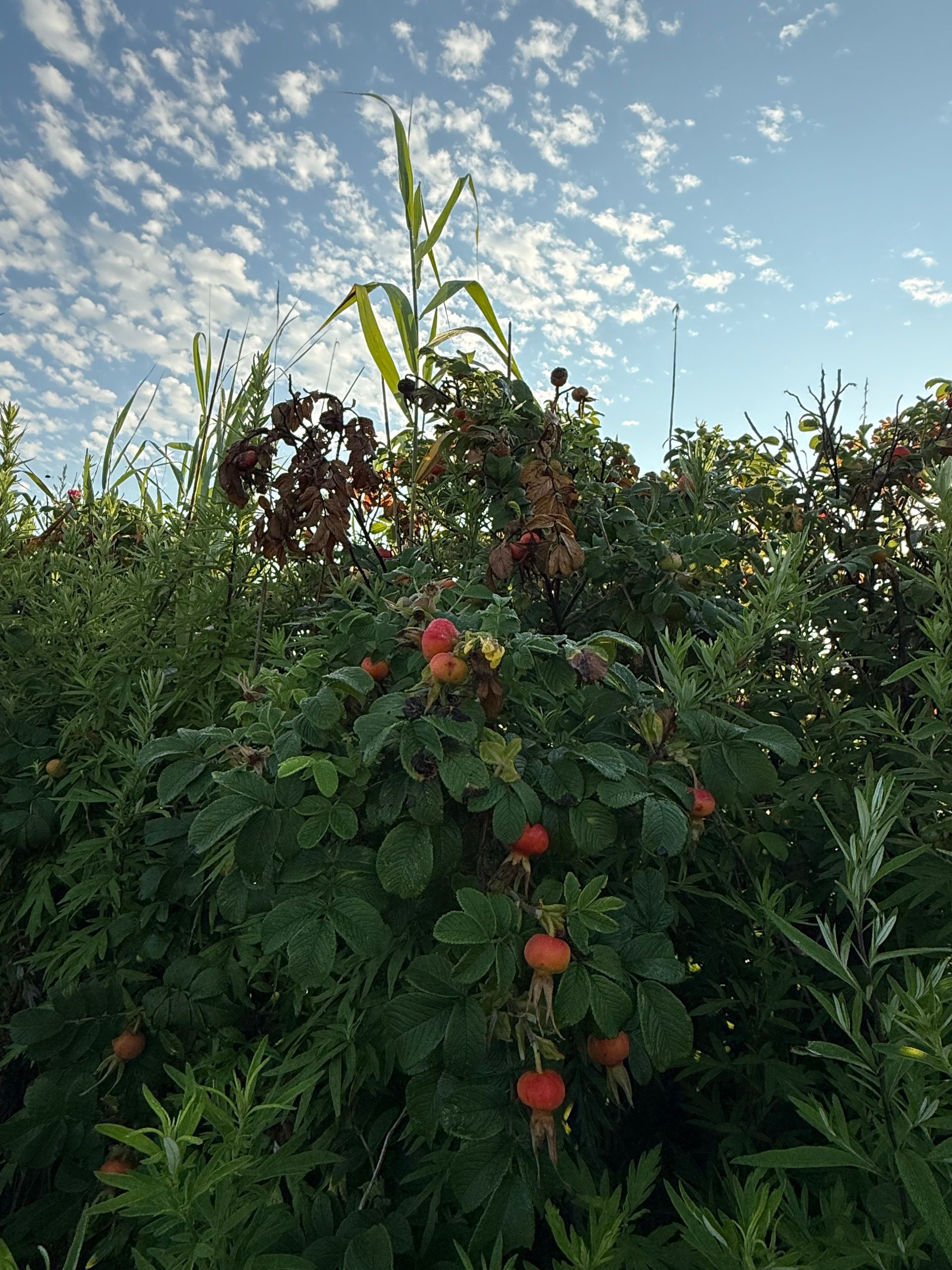
An Inspiration for Poetry?! Summer 2025 - LDG
If you have a friend that struggles routinely with relationship issues, showing them a poem that details your own relationship issues might make them feel like they aren’t alone, but that means that the feedback you get might be more tailored to the feel the poem gives them, not the word-for-word things you can do to make it better.
Sending it to someone who is in a happy relationship will allow them to detach themselves from the emotional moment and analyze the poem as a piece of art meant to be revised. Personally, I think showing your poems to different types of people will give you the best chance to make the best artwork! Especially if you keep the old versions of your work for safe keeping and personal growth.
Finally, I just want to say thank you so much to every person who has read this series to the end, especially those who don’t even write poetry. I promise I’ll be back to offer fun, weird tidbits and history after this post.
I felt the need to help the artist community that MUSAY is building as much as I could as a random guy who writes poetry. I hope that this not only helps current poets continue writing, but pushes new people into the wonderful artform that I have called home for years.
Thank you for allowing me and MUSAY to express that communal love and interest into this art form, it means the world to me and everyone here at MUSAY that you were willing to share the few minutes that you have with us, fostering the community we are so happy to build.
Take care, be back soon!
About Darius Coleman
Darius doesn’t just see the world. He feels it — deeply. He takes it in so it can surprise him, challenge him, and ultimately inspire him to dream, to write, to create. Whether it’s prose or poetry, sports or culture, Darius’s voice is one you must hear. A 2025 Magna Cum Laude graduate of Tennessee State University’s School of Mass Communications, Darius is only getting started and MUSAY is overjoyed he’s starting here.

About MUSAY
MUSAY is an app that transforms phones from isolation devices into discovery tools to connect people with cultural experiences they never knew they needed — creating community around shared moments of awe while helping cultural institutions thrive.
MUSAY believes people, especially Gen Z, deserve more than endless scrolling through other people's lives and has engaged them in its design process. The result is an App that gets people off their sofa and off their screen by helping them find things to do that fit their vibe; with all the things to do being at museums.
© 2025 MUSAY Inc. All rights reserved. No part of this publication may be reproduced, distributed, or transmitted in any form or by any means, including photocopying, recording, or other electronic or mechanical methods, without the prior written permission of the publisher, except in the case of brief quotations embodied in critical reviews and certain other noncommercial uses permitted by copyright law.